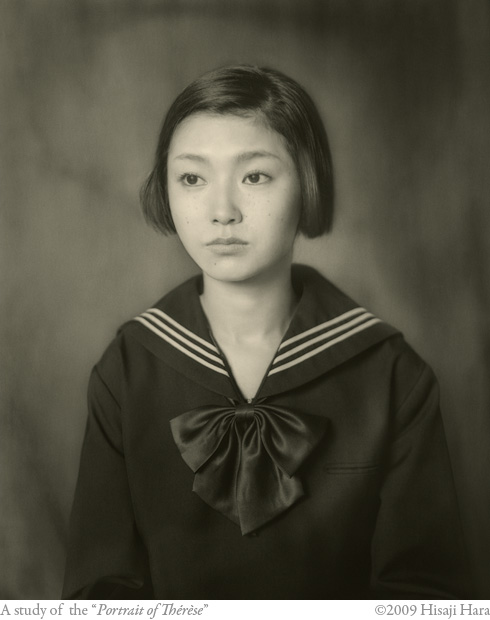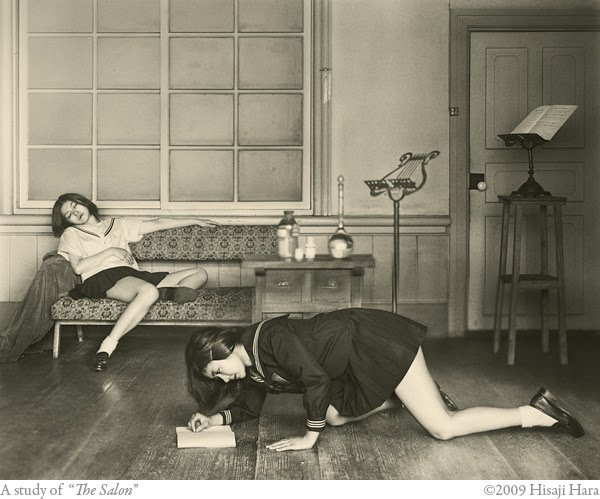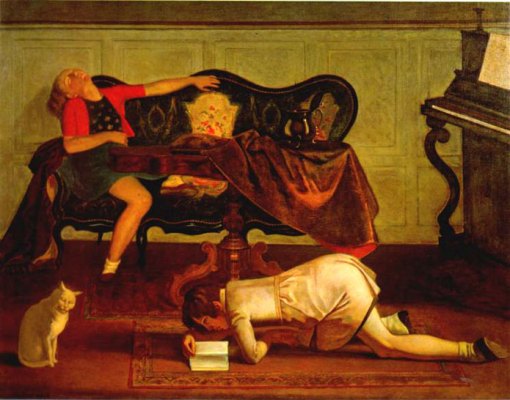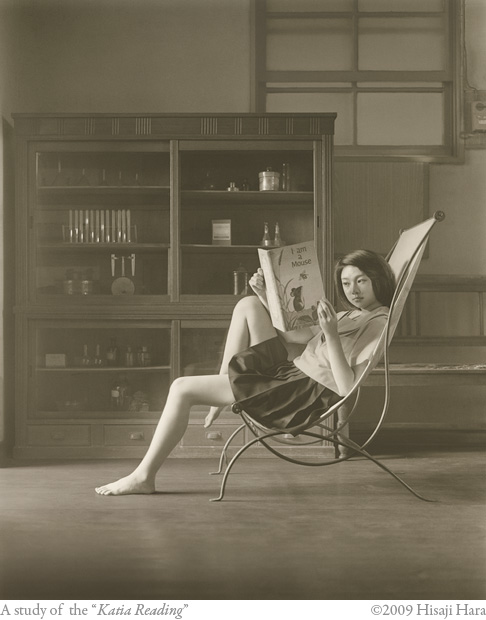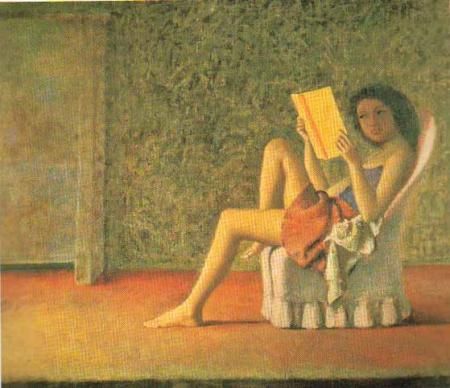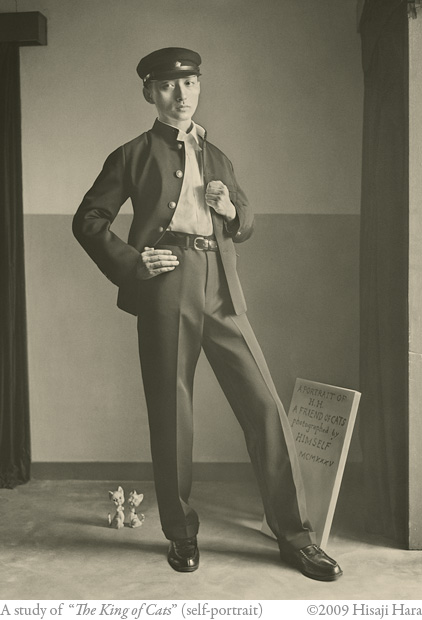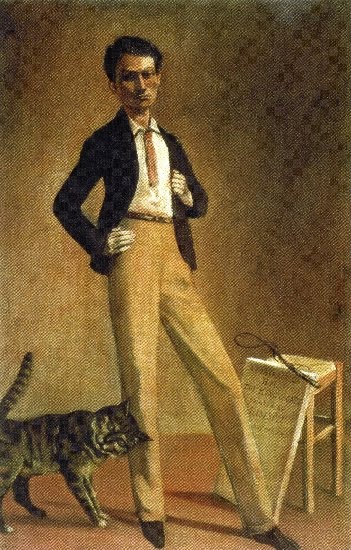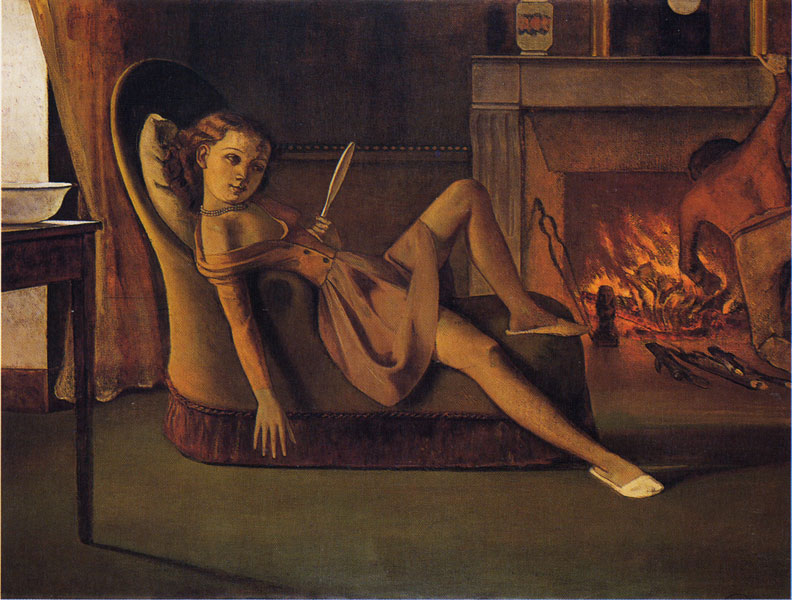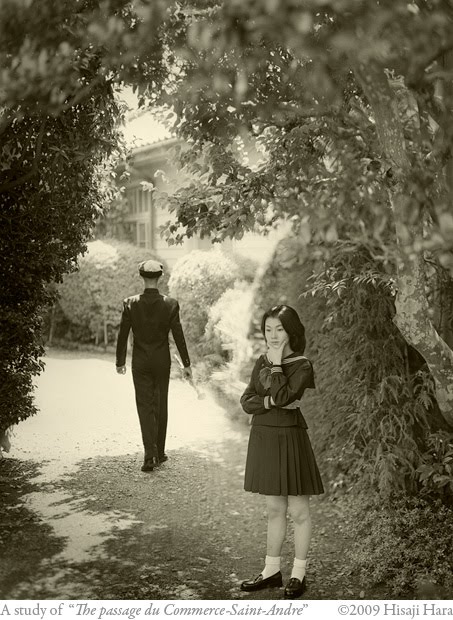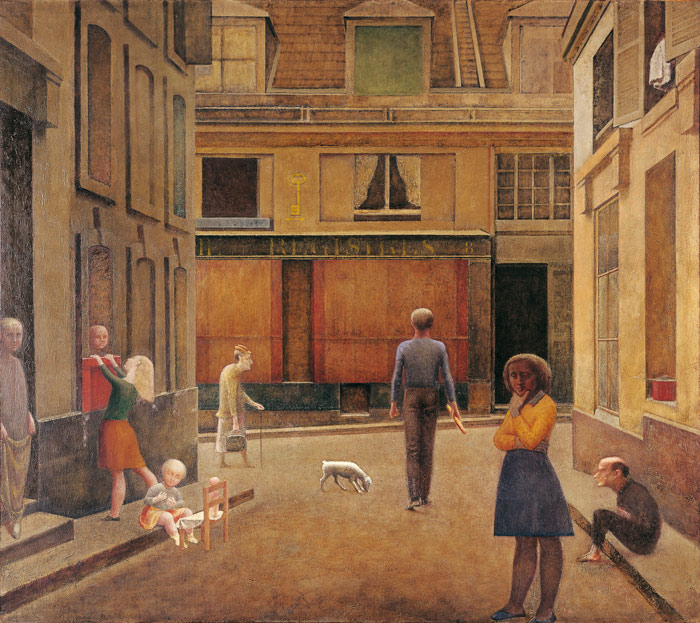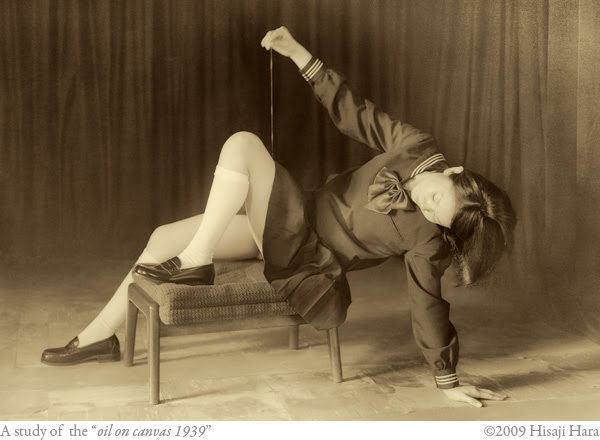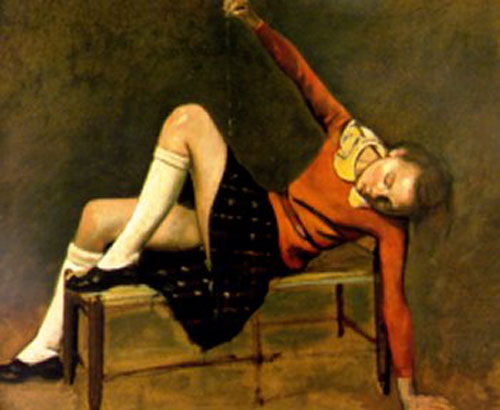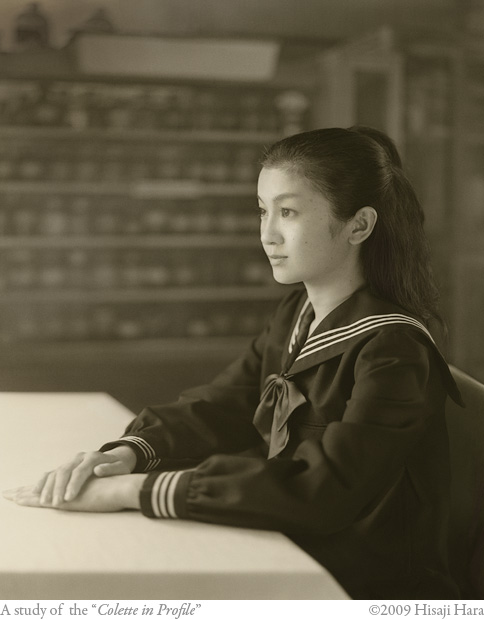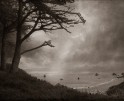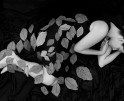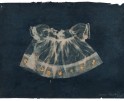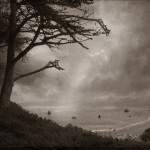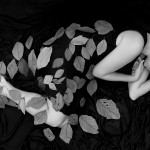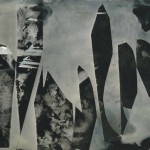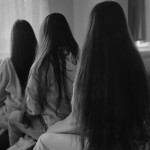
Many photographers, myself included, are inspired by painters. Toyko photographer Hisaji Hara has reproduced art works by Balthus in timeless black and white imagery.
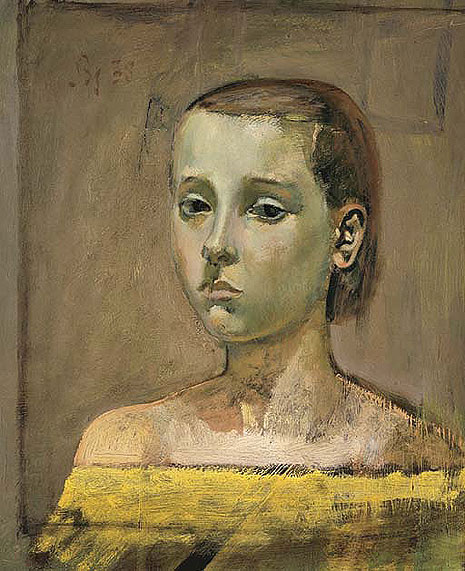
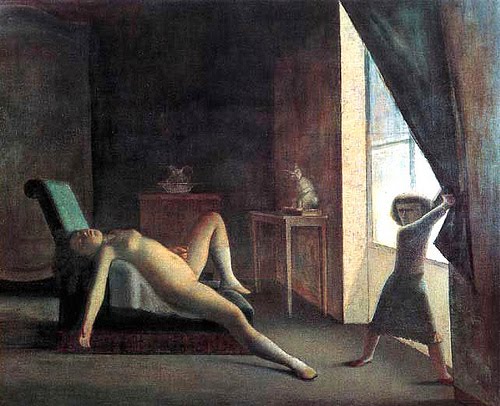
Hara's tranquil monochrome portraits look strangely familiar -- and indeed, all are modeled after paintings by Balthus (1908-2001), one of the most revered artists of the 20th century. Although the figures and background furnishings are not identical to the originals, the compositions are. Through this tableau-vivant-like approach, Hara somehow manages to capture the essence of Balthus's works.
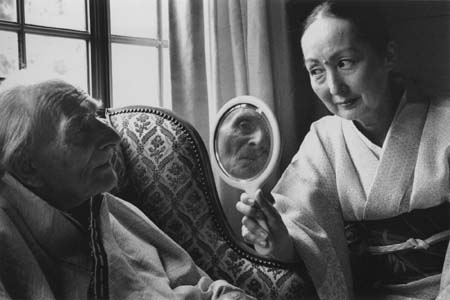
photograph of Balthus and his wife

Images by Hisaji Hara followed by the paintings that inspired them.


5 comments:
This is probably one of the most interesting posts I have read on photography recently and, if you don't mind, I might use it when teaching photography.
Painting has been a major influence on photography, almost from the very beginning, and in different ways. This approach, for example, is very different from the one adopted by the pictorialists. (I am surprised by the choice of Balthus, whom I have always found highly uninspiring but this is another matter.)
Your post points also to a common problem: what do we mean by composition? What the photographer has copied is, if I dare say, very superficial: it is mostly the poses of the models he copied. the poses have been reproduced with great variations as in the case of the first portrait, cropped differently, positioned differently and actually seen from a different point of view - frontal instead of three quarters - and with the eyes looking in different directions. We end up with different meanings to the pictures (the innocent pose of the reader on the painting becomes almost sexualised in the photograph).
Some may call these poses composition. I would not. IMVHO, composition is the relationship between shapes in a picture. It is almost abstract: it is the lines, the forms, the patterns, the colours and how they interact.
In that sense, copying in black and white a colour painting, and changing the background (which sometimes lead the composition more than the characters do) means that we end up with new works which have very little to do with the originals. This is never more patent than in "a study of 'the room'" which, in the photograph becomes dominated by the strong interplay of lines between the perspective of the corridor, the strong verticals and the semi-diagonal formed by the position of the body.
The work of the photographer is interesting (and more interesting than the Balthus he copies) because of this actually: (s)he does not copy the composition, (s)he recreates the same scene, in different settings, which create a whole new composition.
Thanks a lot for sharing!
http://davidikus.blogspot.com/
Thanks for your thoughtful observations, David. Use any part of it for your teaching...these are all interesting questions to explore...
i loved this! thanks for sharing. this would be great to try someday...
amasing... look not TO mirror, but From mirror
I love these. I really like that she took the main idea of the painting and made it her own in the photo.
Post a Comment