Vance Gellert

Vance received his MFA in photography from Virginia Commonwealth University. He has been widely exhibited and published and has received numerous grants for his work including one from the National Endowment for the Arts. He was co-founder and executive director of pARTs Photographic Arts in Minneapolis where he also curated exhibitions for 13 years. He joined IFP Center for Media Arts as photography curator in 2008.

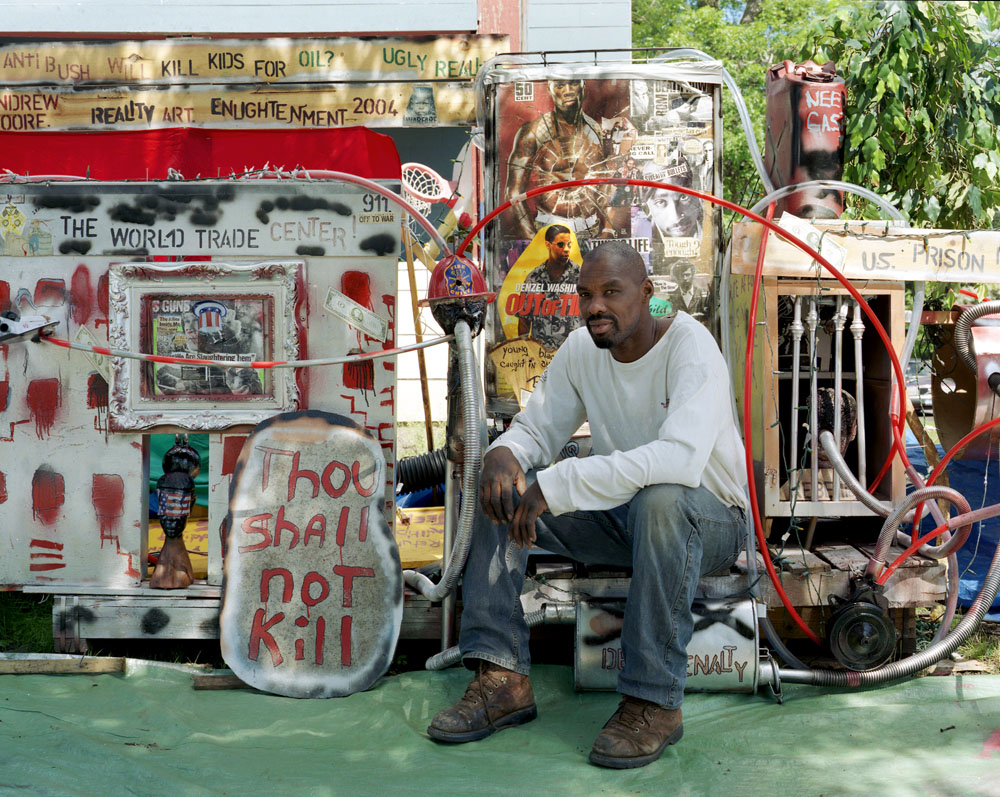
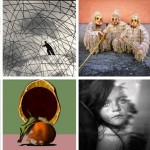
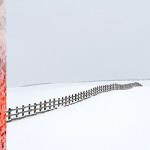
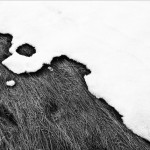
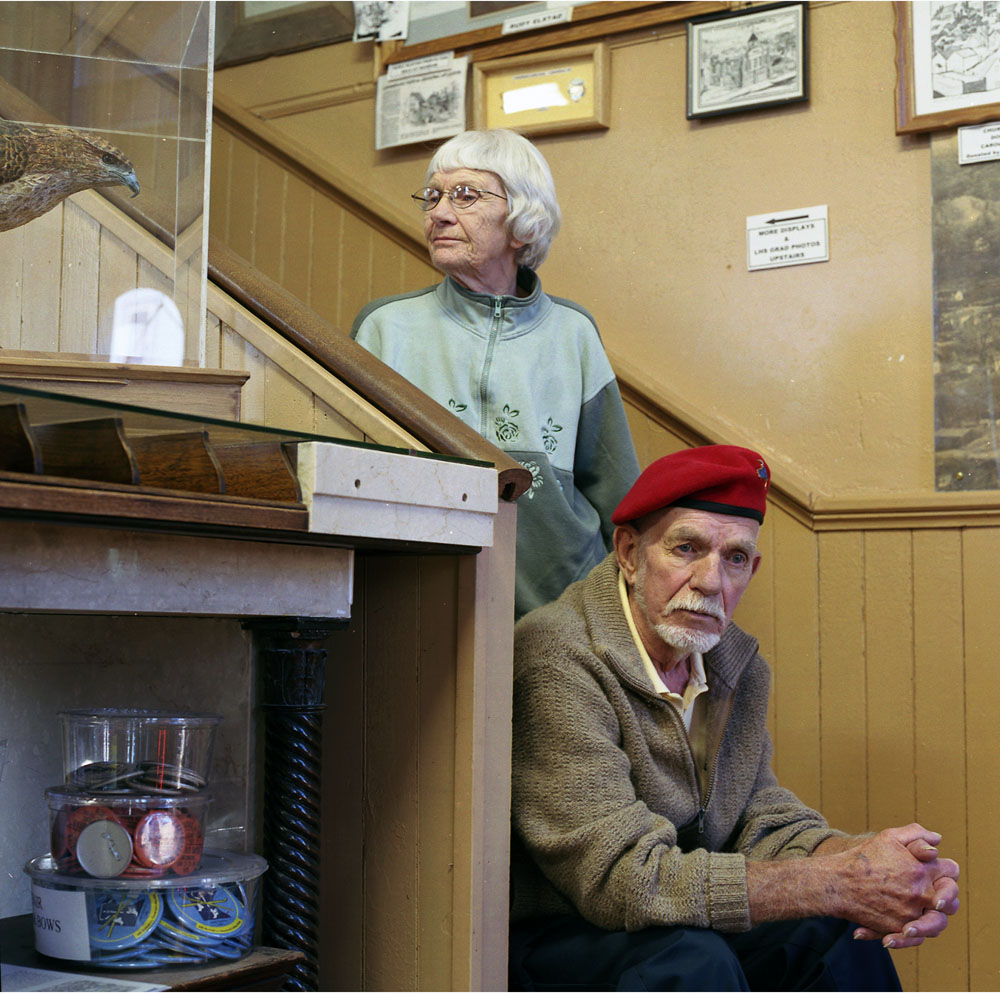
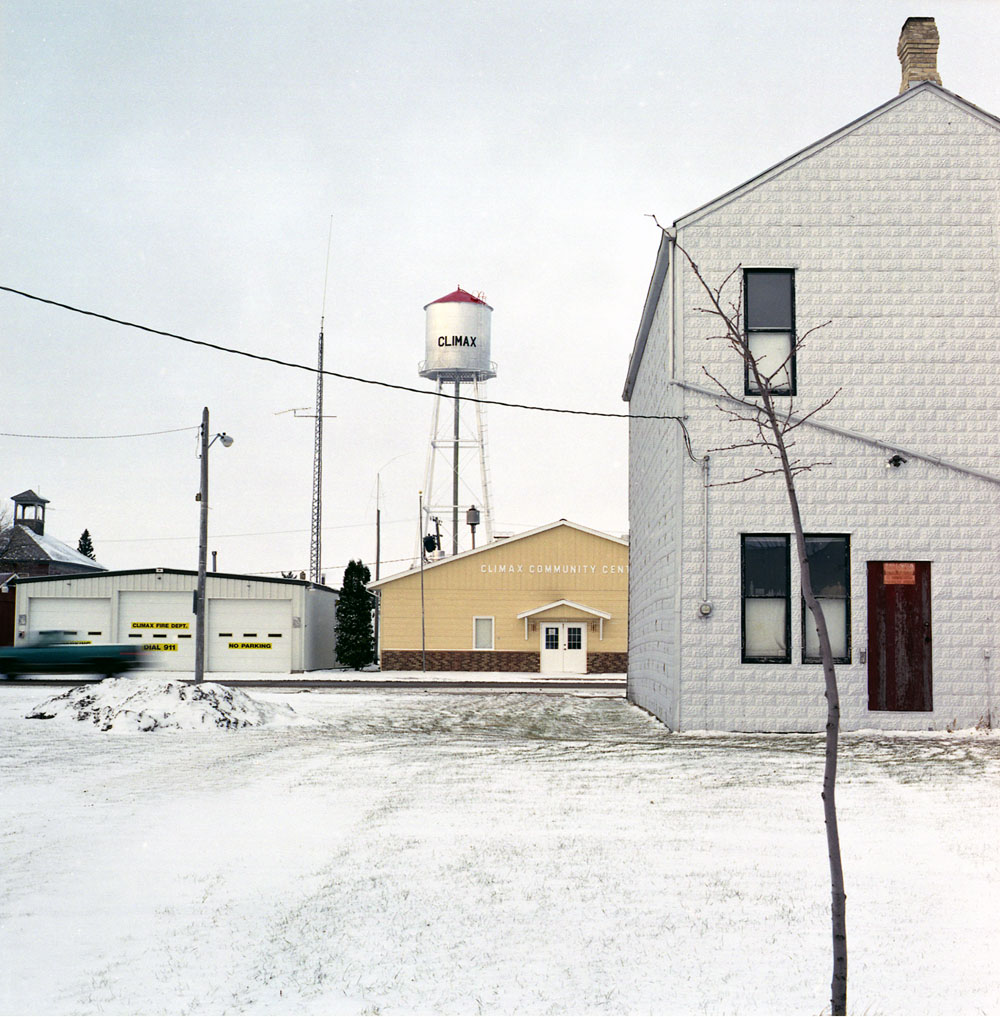
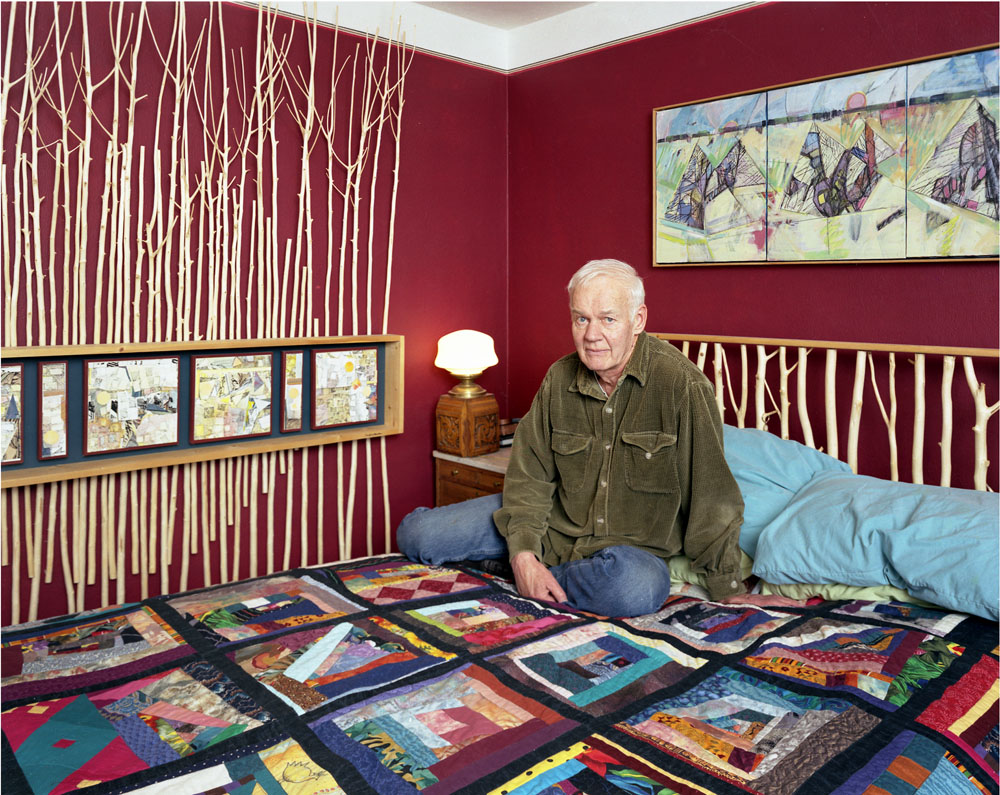
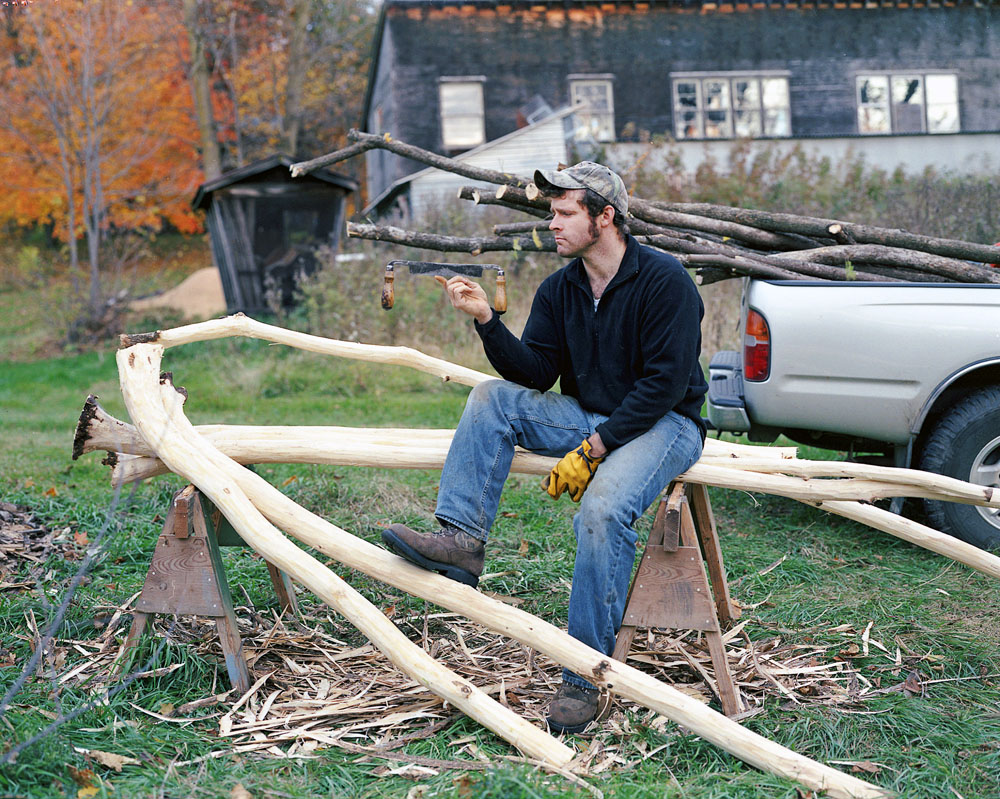
There’s something about visiting visual artists in their studios. It not only yields compelling imagery, I find it creatively inspirational. After leaving the gallery in 2003, I set off on another project to find self-taught artists around Minnesota for interviews and portraits in their studios. The portraits were complemented with images of their environment that were taken on the way to or from the artist’s studio. These were paired with their portraits and a sample of their artwork in the exhibition REAL: Artists and Landscapes.
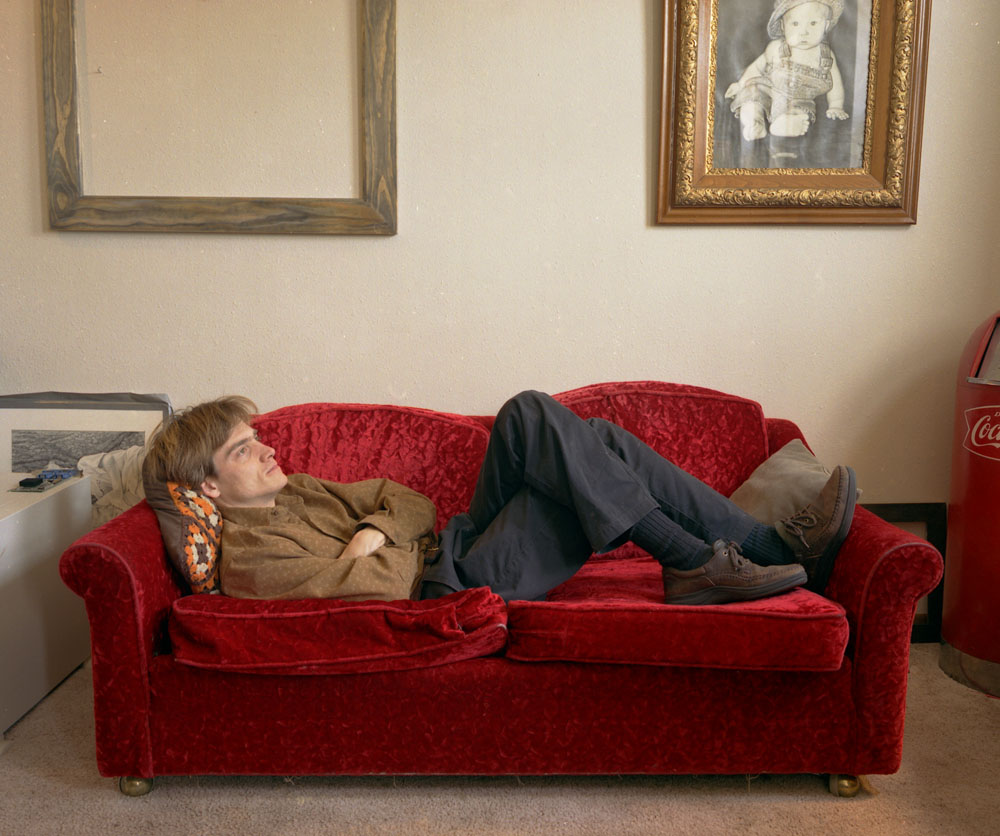
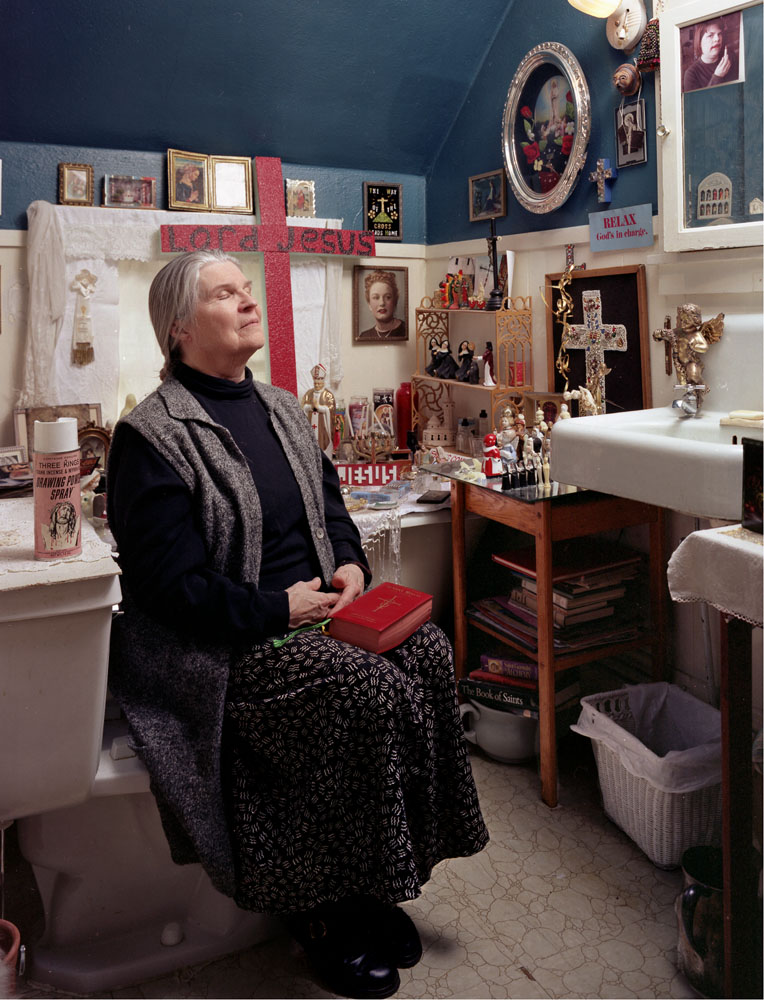
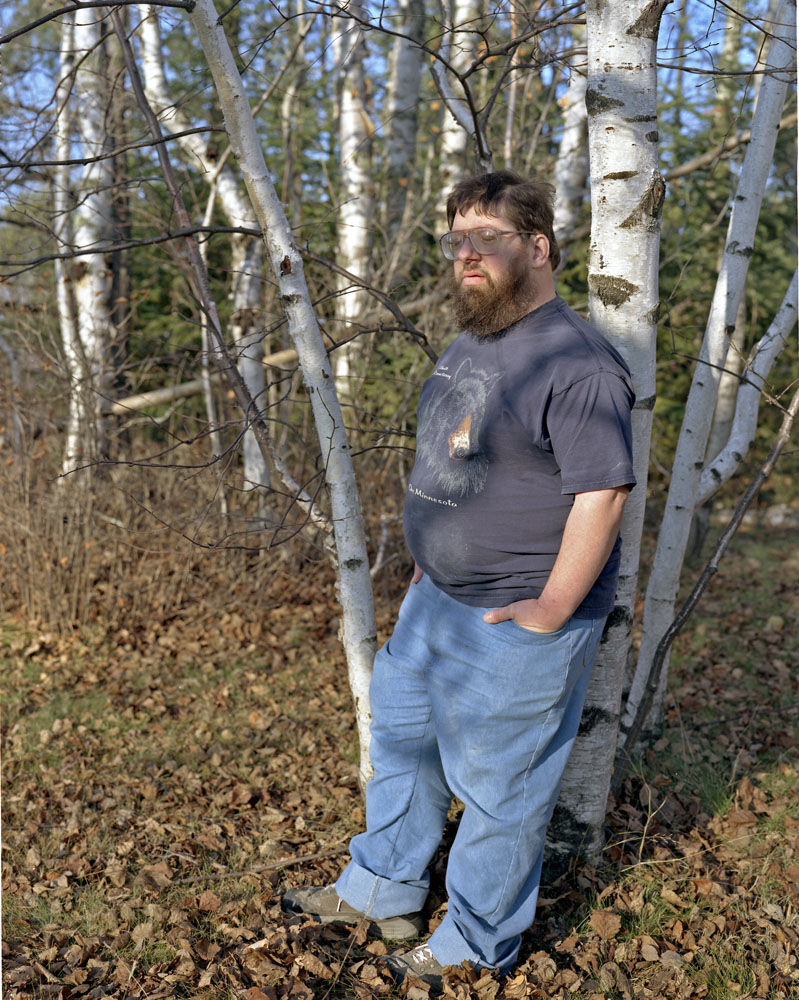

From the NY Times: When Vance Gellert studied pharmacology in the early ’70s, he found that a scientific method of systematic observation, precise measurement and disciplined testing could explain the efficacy of most treatments. For that matter, it was a satisfying way of explaining much of the world around him.
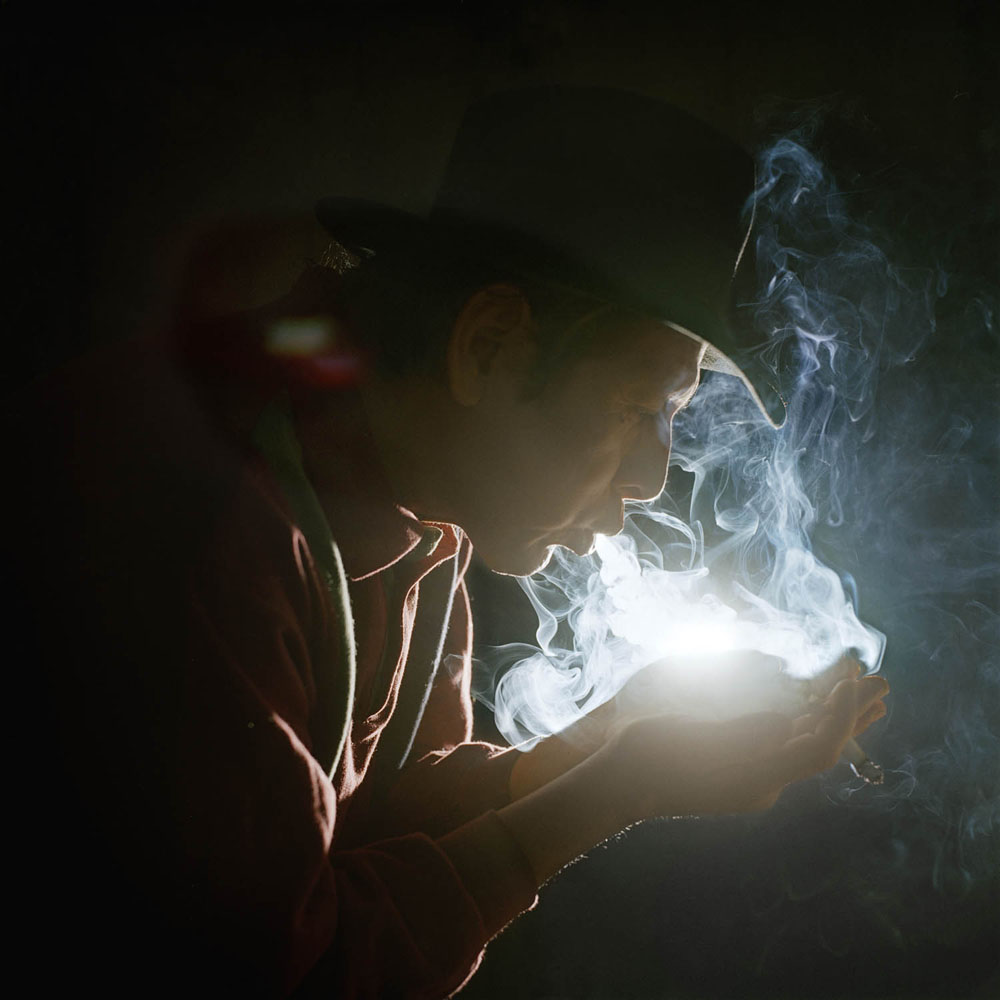
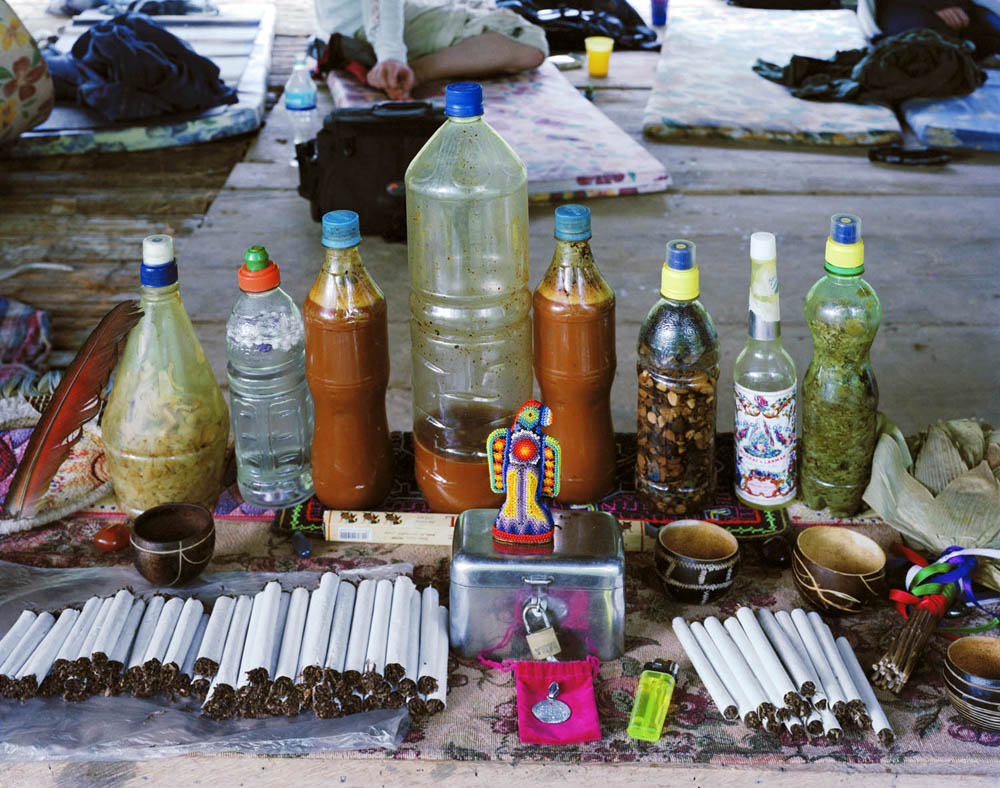
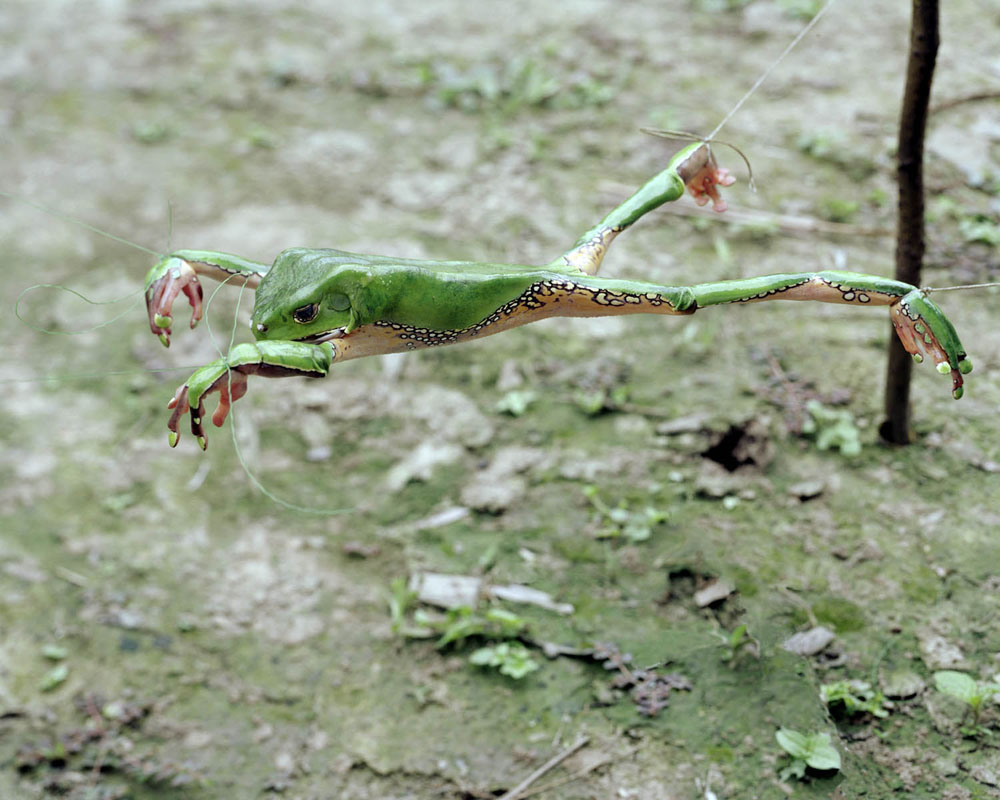
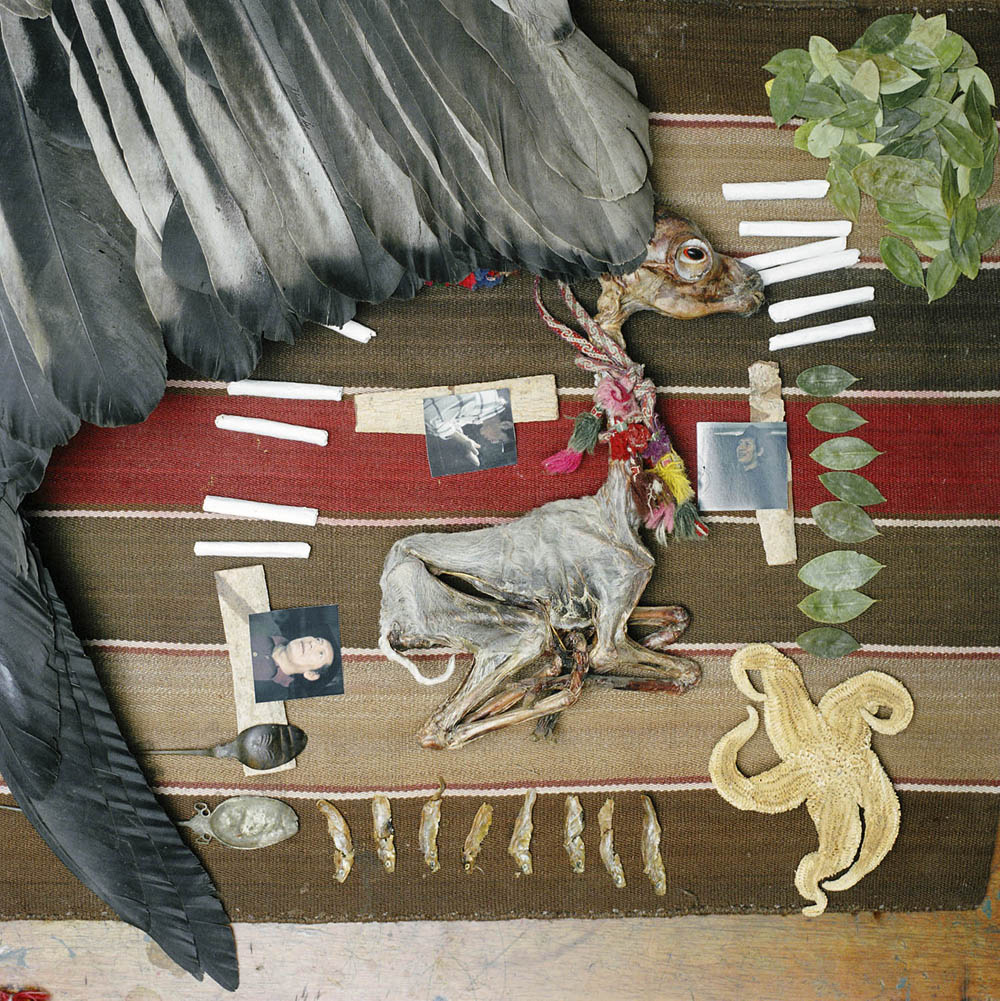
 Mr. Gellert understood that just because the spiritual world of the shamans didn’t conform to Western science didn’t mean that the healing he witnessed wasn’t real. “Scientists generally approach things quantitatively and statistically,” Mr. Gellert said, “but there are thing that don’t lend themselves well to that kind of research and understanding.”
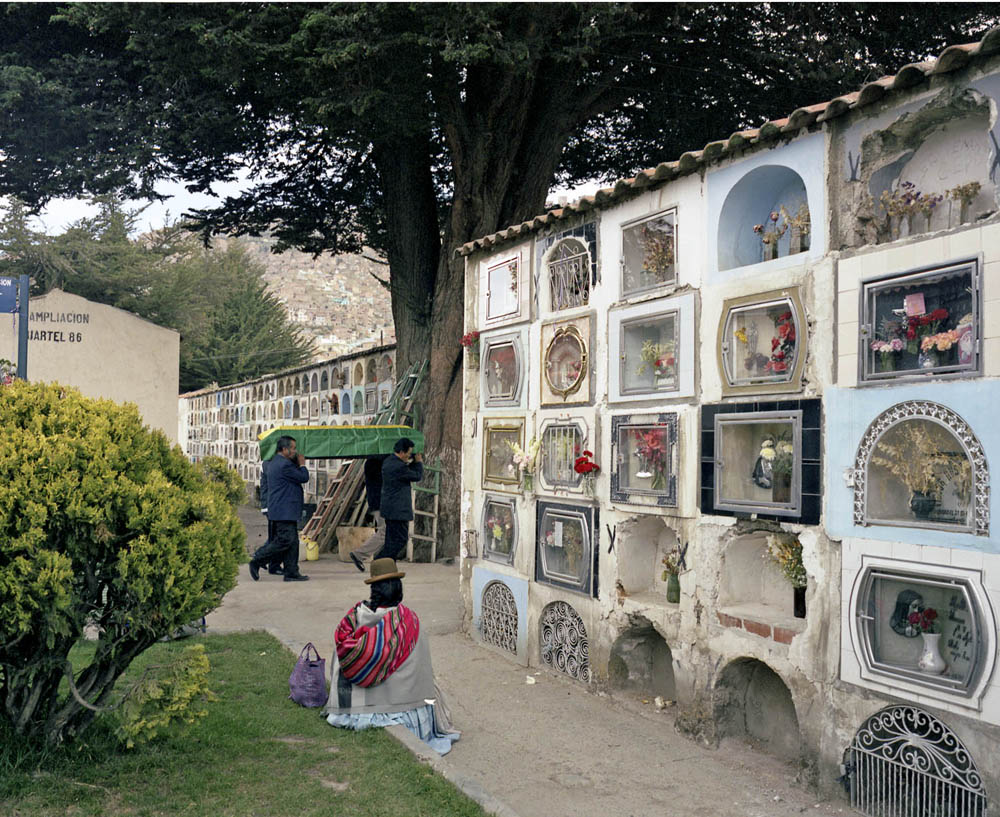 In fact, he was aware of powerful forces at work; forces he didn’t know how to explain. Photos, it turned out, often served better than scientific prose to describe what he witnessed — or experienced.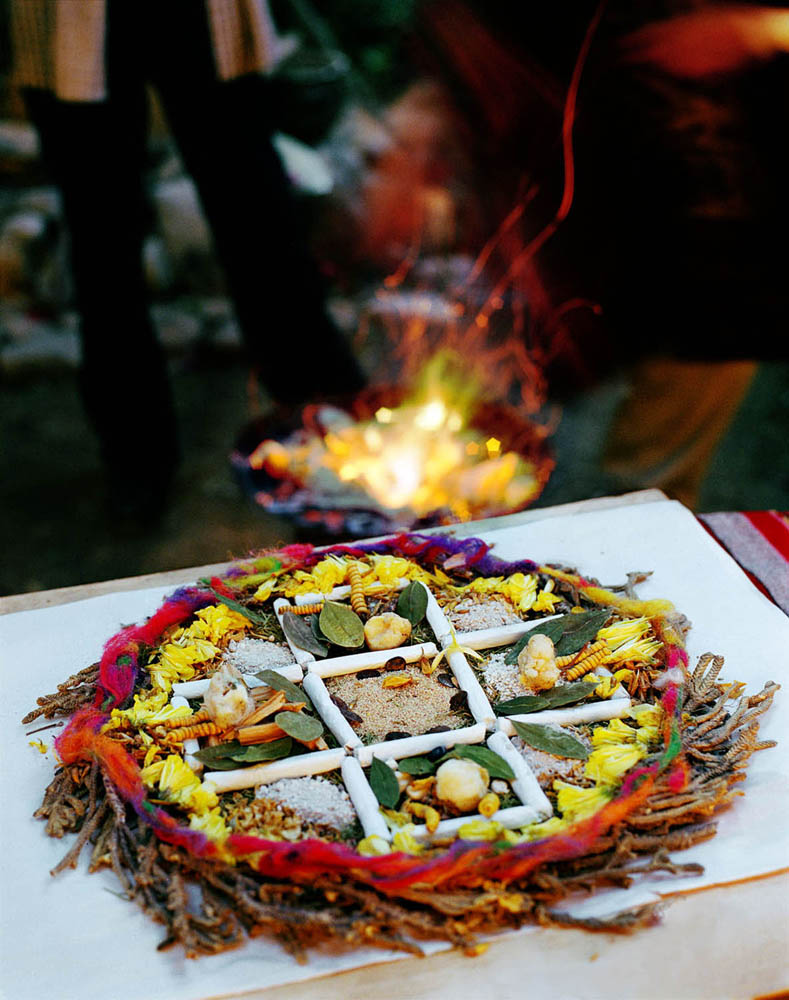
“Since it was invented, photography has served science as a recorder of facts,” Mr. Gellert said, “but photography also has subtleties and nuance that can communicate on a different level. When you start looking at things that are not quantifiable, photography might be an excellent tool.”
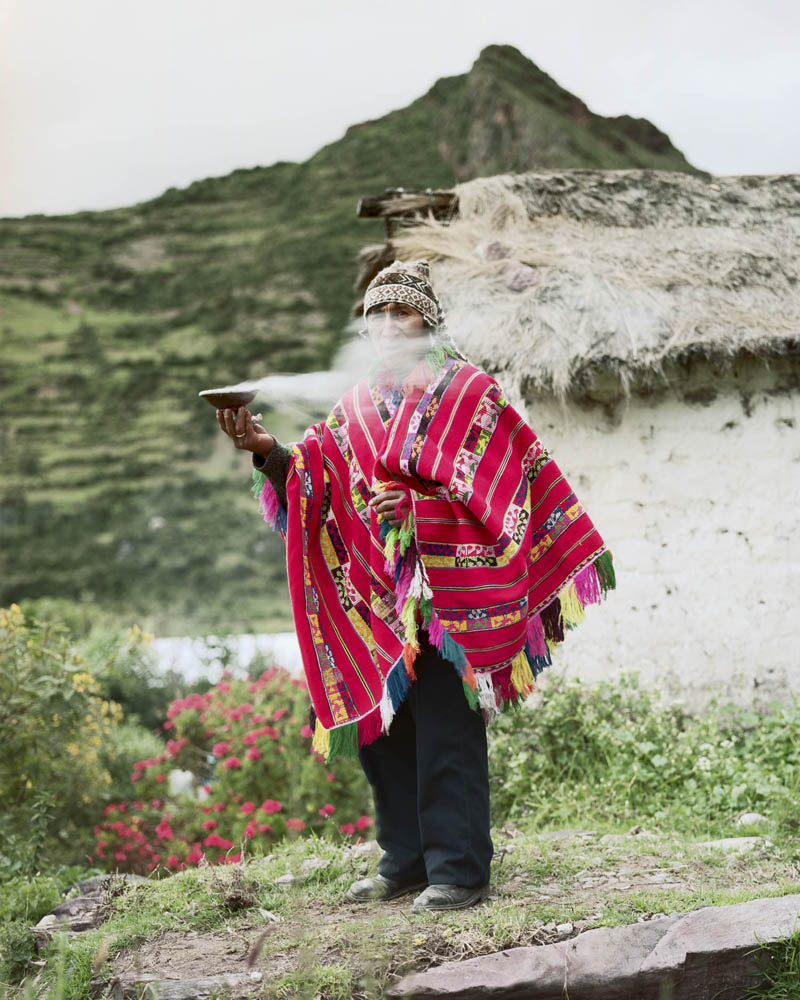
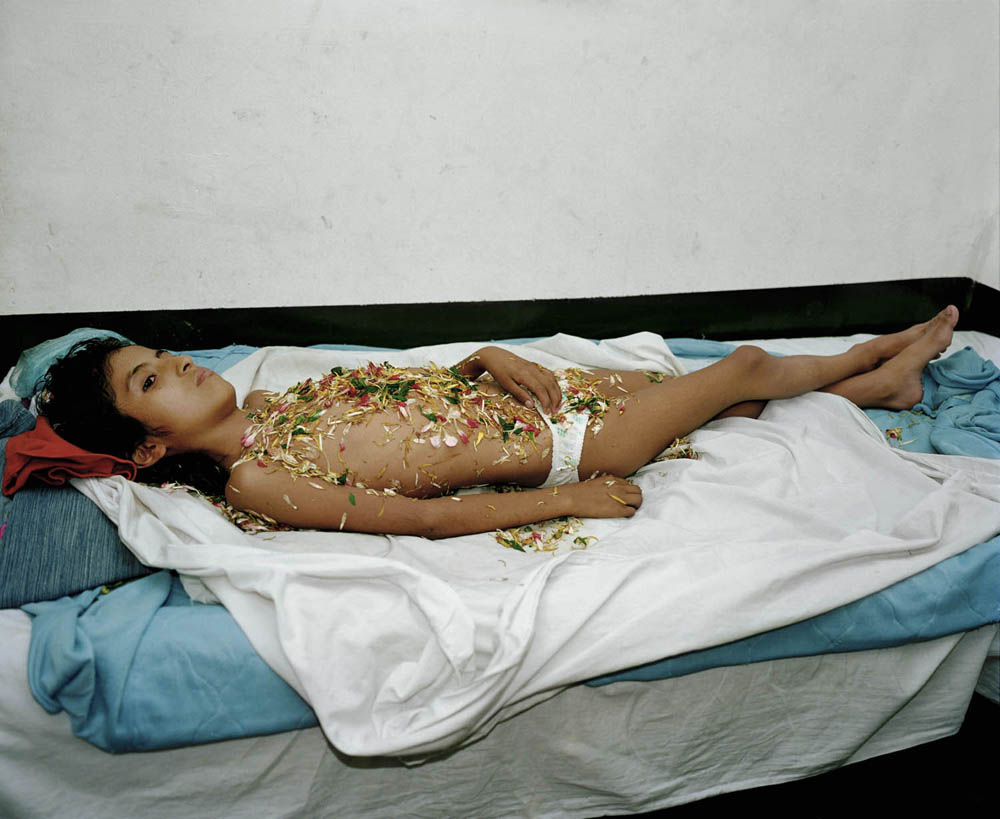
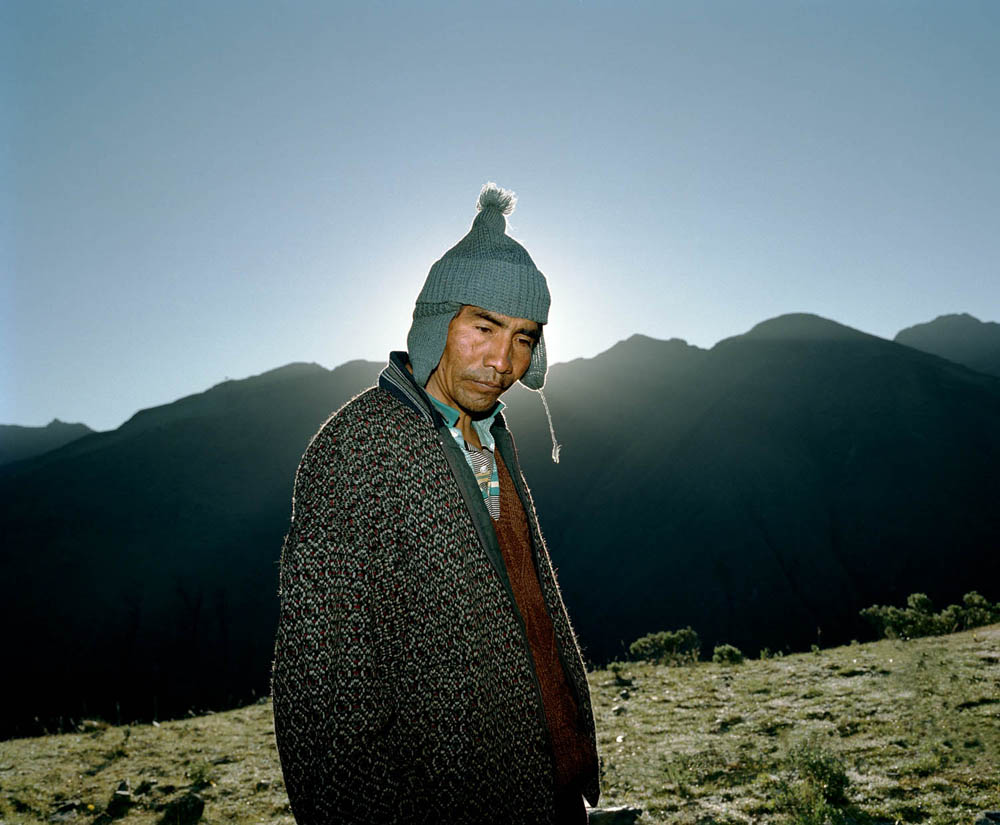
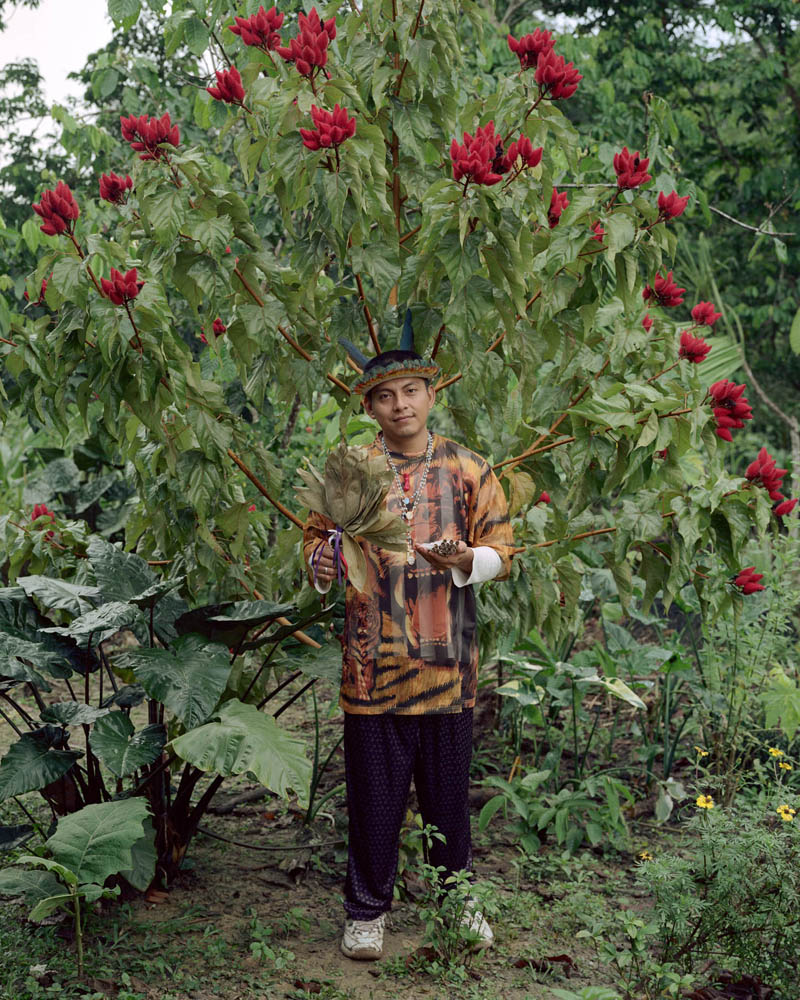
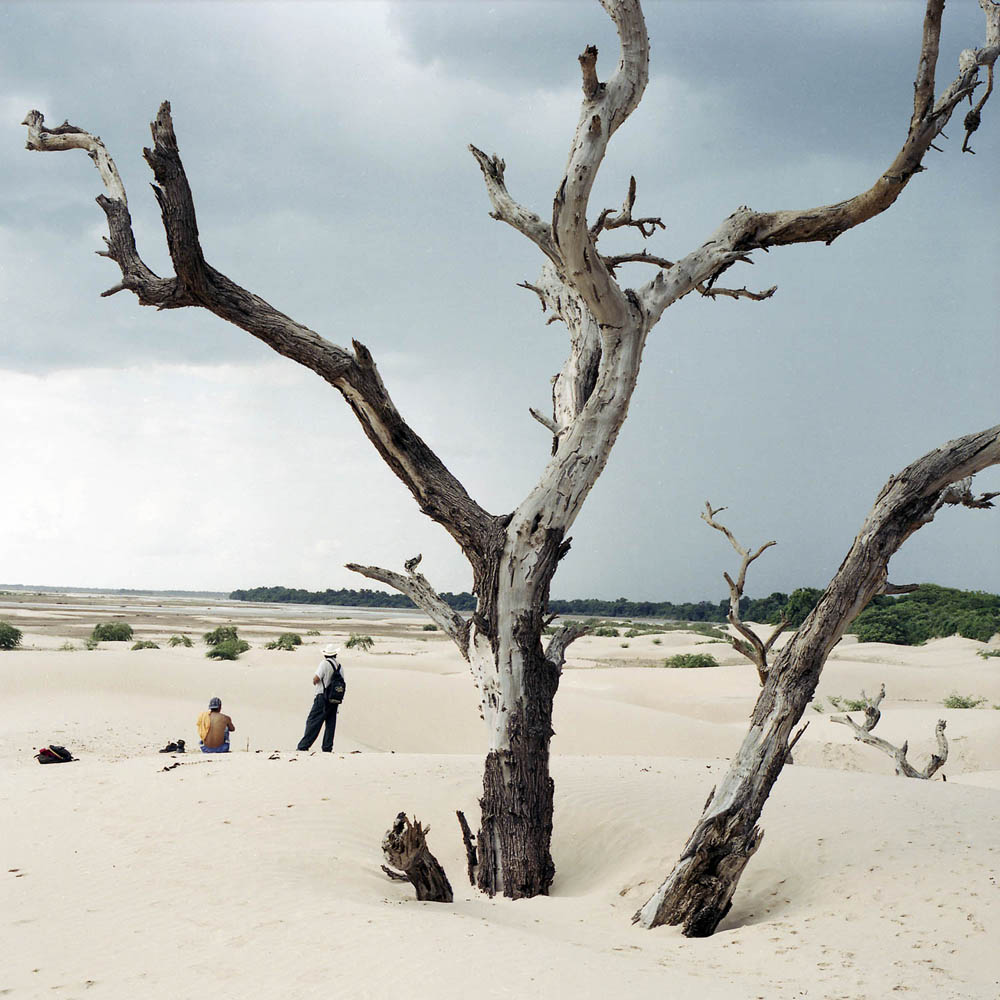
It is difficult to capture spiritual experience in a photograph. Yet Mr. Gellert’s portraits often suggest powers lurking just beyond what the eye can see.
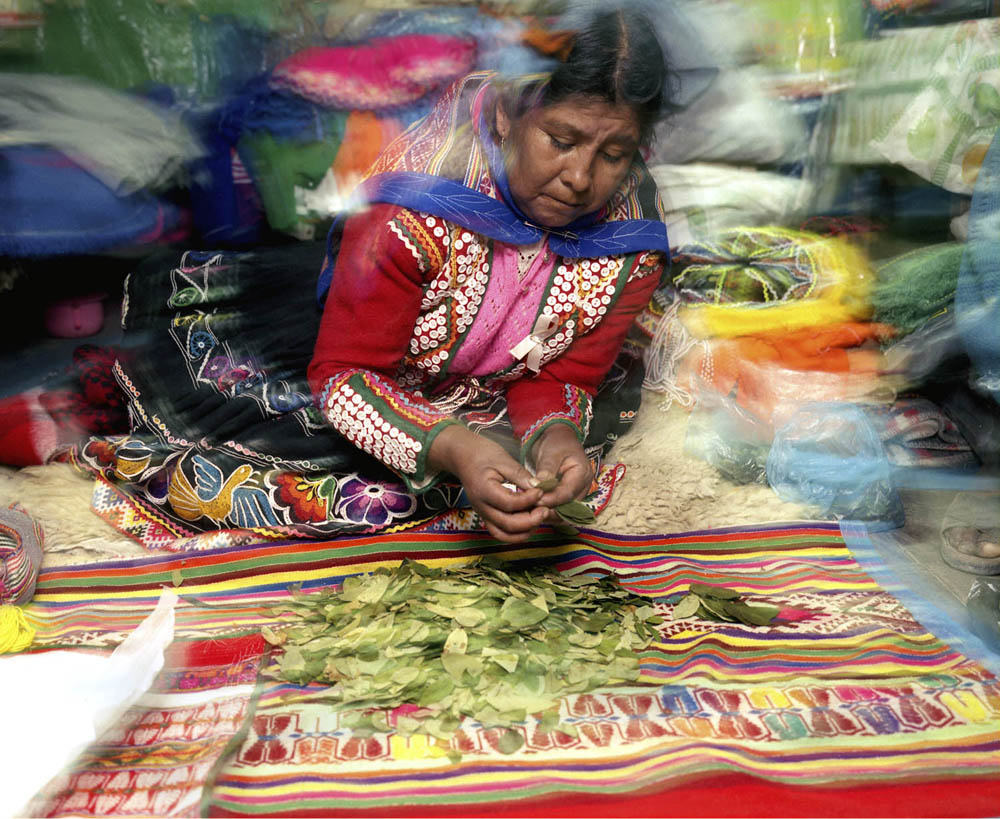
The shamans let him into their lives and encouraged him to photograph their treatments. They had confidence in their practice and had no qualms about sharing it with a medical colleague, even one who might occasionally have seemed slow to fully grasp what they were doing.
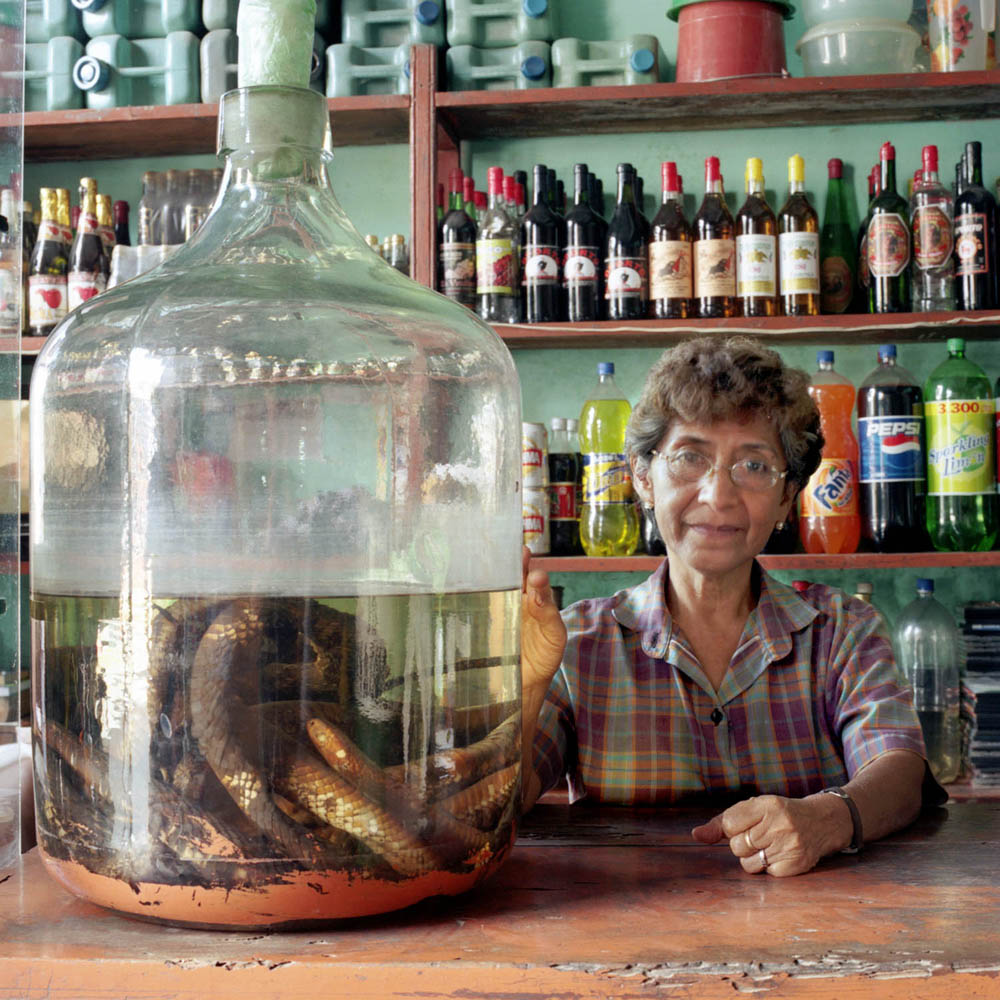
Though he started his quest to learn about the relation between ritual and medicine, he came to see ceremony and ritual as an integral part of healing. “The medicines are the tool, but it is the process of interaction between healer and patient that is most important,” Mr. Gellert said.



Posts on Lenscratch may not be reproduced without the permission of the Lenscratch staff and the photographer.
Recommended
-
Donna Gordon: 2025 Denis Roussel Award WinnerMay 16th, 2026
-
Zanele Muholi: 2026 Hasselblad Award LaureateMarch 13th, 2026
-
Shane Hallinan: The 2025 Salon Jane Award WinnerFebruary 12th, 2026
-
Greg Constantine: 7 Doors: An American GulagJanuary 17th, 2026
-
Yorgos Efthymiadis: The James and Audrey Foster Prize 2025 WinnerJanuary 2nd, 2026