Patricia Lay-Dorsey
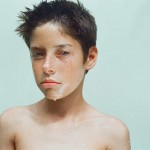
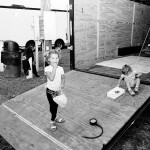
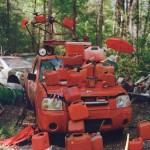
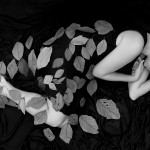
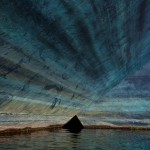
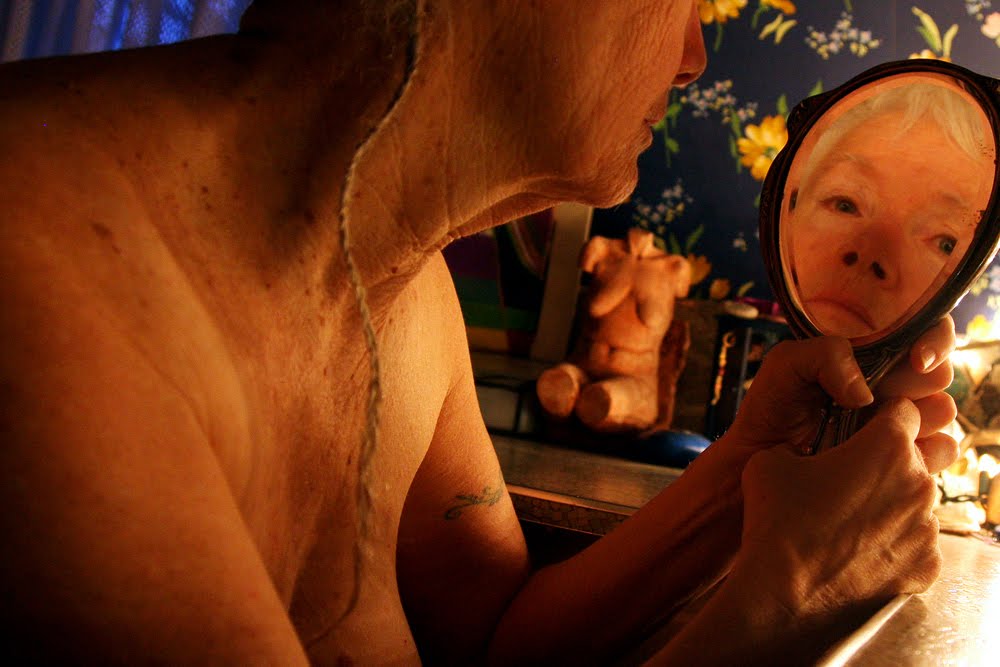
Detroit photographer Patricia Lay-Dorsey has a favorite quote from Edward Weston: “Anything that excites me for any reason, I will photograph; not searching for unusual subject matter, but making the commonplace unusual.” The interesting thing about this quote is that the body of work featured below is a series of self portraits that are not commonplace, but after sharing her daily journey as a woman with multiple sclerosis, shot with sensitivity and beautiful light, Patricia’s life becomes more approachable and normal.
Though her mode of transportation has been a three-wheeled mobility scooter since 2000, the seated position no way defines Patricia who has lived a long and active life as a social worker, artist, art therapist, protester, and committed peace activist. She founded “Raging Grannies of Detroit” in 2002 — a group of outrageous older women who protest the war through song.
In 2006, Patricia became serious about photography and hasn’t looked back. Her work has been featured in numerous publications, including The New York Times Lens blog, LensWork, New Mobility, and Burn Magazine, and recently has been named as a finalist in the 2010 FotoVisura Grant for Outstanding Personal Photography Project. Patricia has also been invited to participate in the Beauty Culture Exhibition that opens in May 2011 at The Annenberg Space for Photography in Los Angeles. She has created a book of her self portrait images, Falling Into Place, that is available on her site.
I lived with multiple sclerosis for 20 years before taking the self-portraits that appear in the series, Falling Into Place. During those years I moved from walking unaided to walking with a cane, from a cane to a walker, and in 2000 from a walker to a 3-wheeled motorized scooter.
Images from Falling Into Place

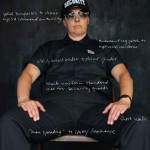
As an artist-turned-photographer, whenever I would see photo essays or articles featuring persons with disabilities, I would assess the work both photographically and personally. The photographs might be superb, but all too often nondisabled photographers would fall into the trap of presenting their subjects as brave, pitiable or some mix of the two. As a woman living with a disability I knew I was neither brave nor pitiable; I was simply doing my best to live a full life with the hand I’d been dealt. One morning in June 2008 I decided it was time to show exactly how that looked to me.

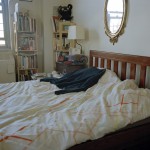
I took the first self-portrait of this series while sitting on the toilet with sunlight puddled in my lap. I decided to take my camera into the shower. I propped it on the bed as I dressed. I sat in the stair lift and focused on my scooter waiting in the hall below. I took photographs as I worked out at the gym and as I sang with my husband at the piano. I even managed to capture a few falls.

I spent the next 15 months documenting the most ordinary moments of my life. I wanted to make good photographs but more importantly I wanted the truth. No glorified images of a courageous woman overcoming adversity; simply a view from the inside of what it’s like to live with a disability. As time went on I found myself trying to express more about how I felt than how I looked. Occasionally my two roles, photographer and subject, fought for control. The photographer in me insisted on opening closed doors, shining her light on intimate details that the subject might have preferred to keep hidden, details that had previously been cause for shame.

Before beginning this project I had not realized how ashamed I was of being seen as disabled. My falls, my claw-like hands, my struggles to get in and out of bed, my inability to cut my food by myself, all the times I drop things on the floor were now made public As the project progressed, I became more comfortable with my unique way of being in the world. By looking at my disability through the lens of a camera, it became interesting not shameful.

My intention is to give viewers a truthful look into my life. For the non-disabled viewer this series lets them place themselves within a body that operates differently from their own, while helping them see our common humanity. To the disabled viewer I say, celebrate your life just as it is. Your differences make you who you are.


Posts on Lenscratch may not be reproduced without the permission of the Lenscratch staff and the photographer.
Recommended
-
Eugenia Brodsky: ChrysanthemumMay 19th, 2026
-

Photography Educator: Natasha LehnerMay 15th, 2026
-

Nicolas Brunetti: InshallahApril 14th, 2026
-
Phoebe Shuman-Goodier: Bad DogsApril 9th, 2026
-

Mexico Week – David Muñiz: Between the Archive and the AlgorithmMarch 29th, 2026