Emma Powell
Emma Powell recently opened her MFA show at the George Eastman House in Rochester, New York that will run through Oct. 31, 2010.
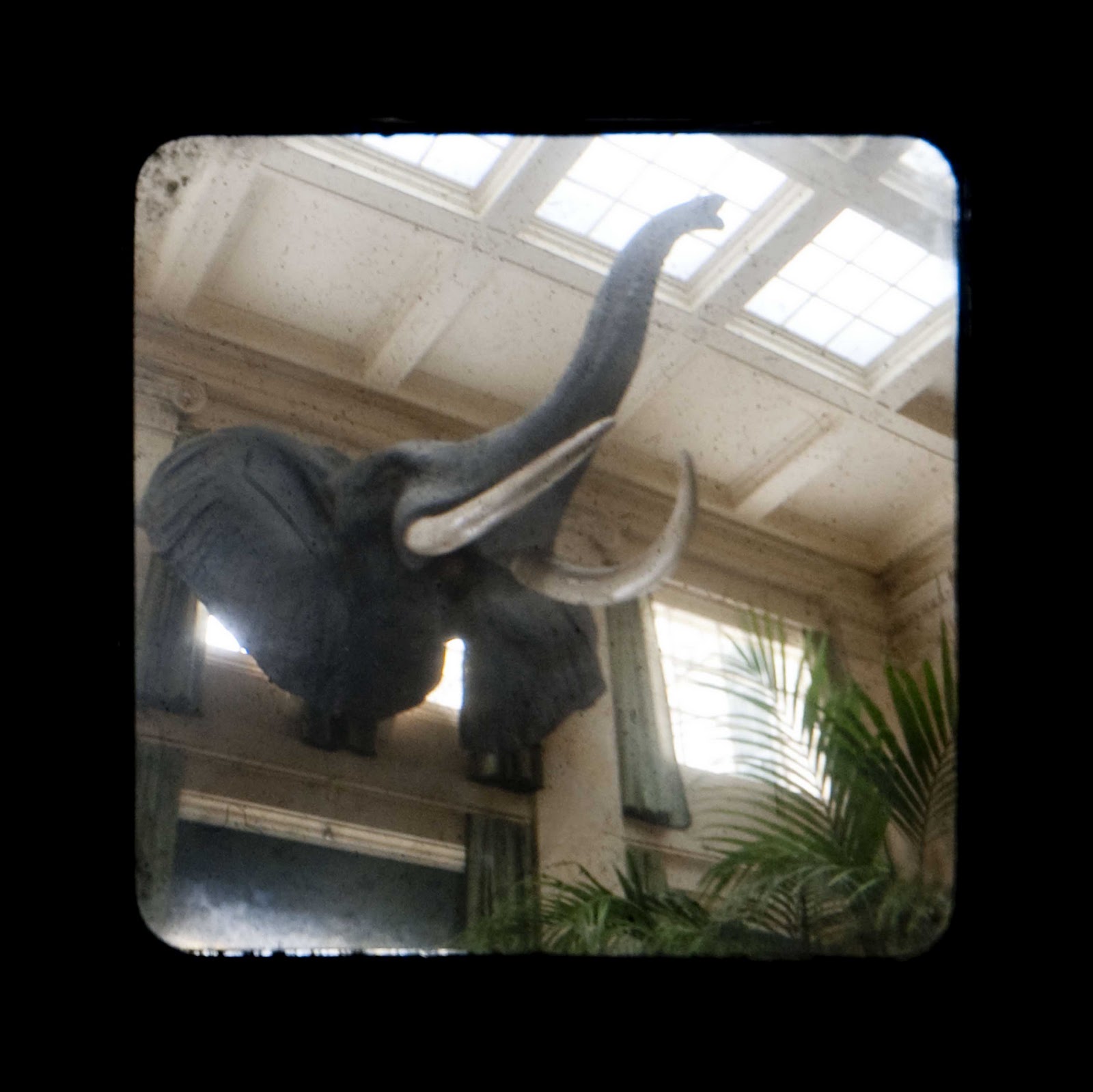
A Life Reviewed: George Eastman through the Viewfinder consists of 25 color photographs that cover different facets of Eastman’s life and legacy. This work serves as both photographic biography as well as look into the past. Seeing the images through two sets of lenses allows for a sense of nostalgia and history to permeate the work.
Powell is an artist and educator whose work often examines photography’s history while incorporating historic processes and or devices within the imagery. As an undergraduate at the College of Wooster, she studied the nineteenth-century spirit photography movement as a subject for her undergraduate thesis exhibition of wet plate collodion photographs. Pursuing her MFA at Rochester Institute of Technology, she has explored the intersection between historical and contemporary practice by creating the images in this exhibition. Her work has been shown in a variety of one-person and group exhibitions throughout the country.
Images from A Life Reviewed

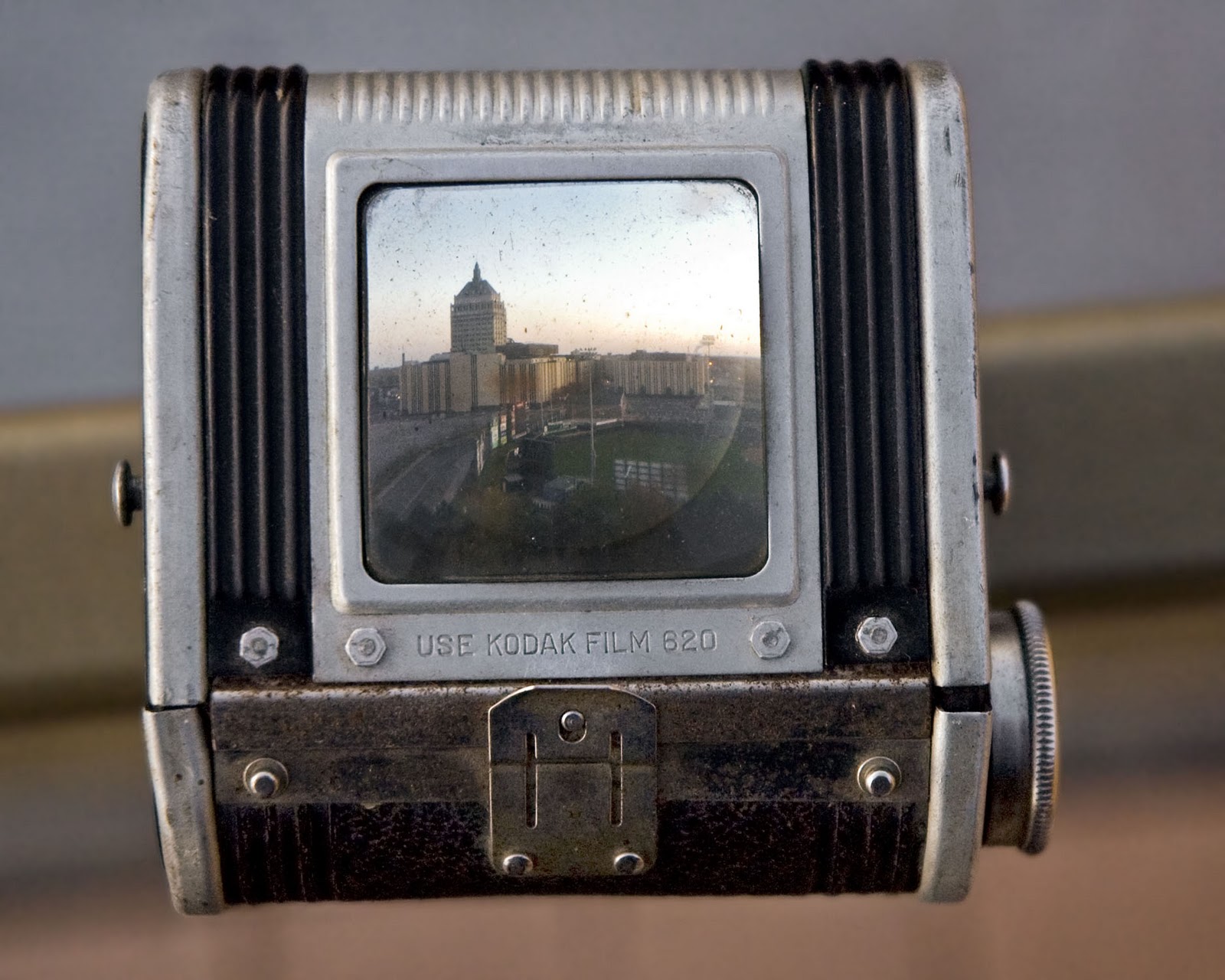
In order to create these images Powell used a modern digital camera to photograph the viewfinders of old Kodak cameras. Many early snap-shot cameras have an auxiliary lens used only to frame the shot. By peering into these dusty and distorting lenses Powell is able to create an aesthetic reminiscent of older processes, such as the autochrome. This project explores the merging of the present and the historical while telling a story about photography’s past that is relevant to the medium itself.I wanted to find a way to look back in time, through a window into the past, to visualize temporal distance,” Powell said. “I needed a turn-of-the-century device that could speak to the technological advancements of the industrial revolution. I needed a time machine. Instead, I used cameras.”

In order to create these images Powell used a modern digital camera to photograph the viewfinders of old Kodak cameras. Many early snap-shot cameras have an auxiliary lens used only to frame the shot. By peering into these dusty and distorting lenses Powell is able to create an aesthetic reminiscent of older processes, such as the autochrome.
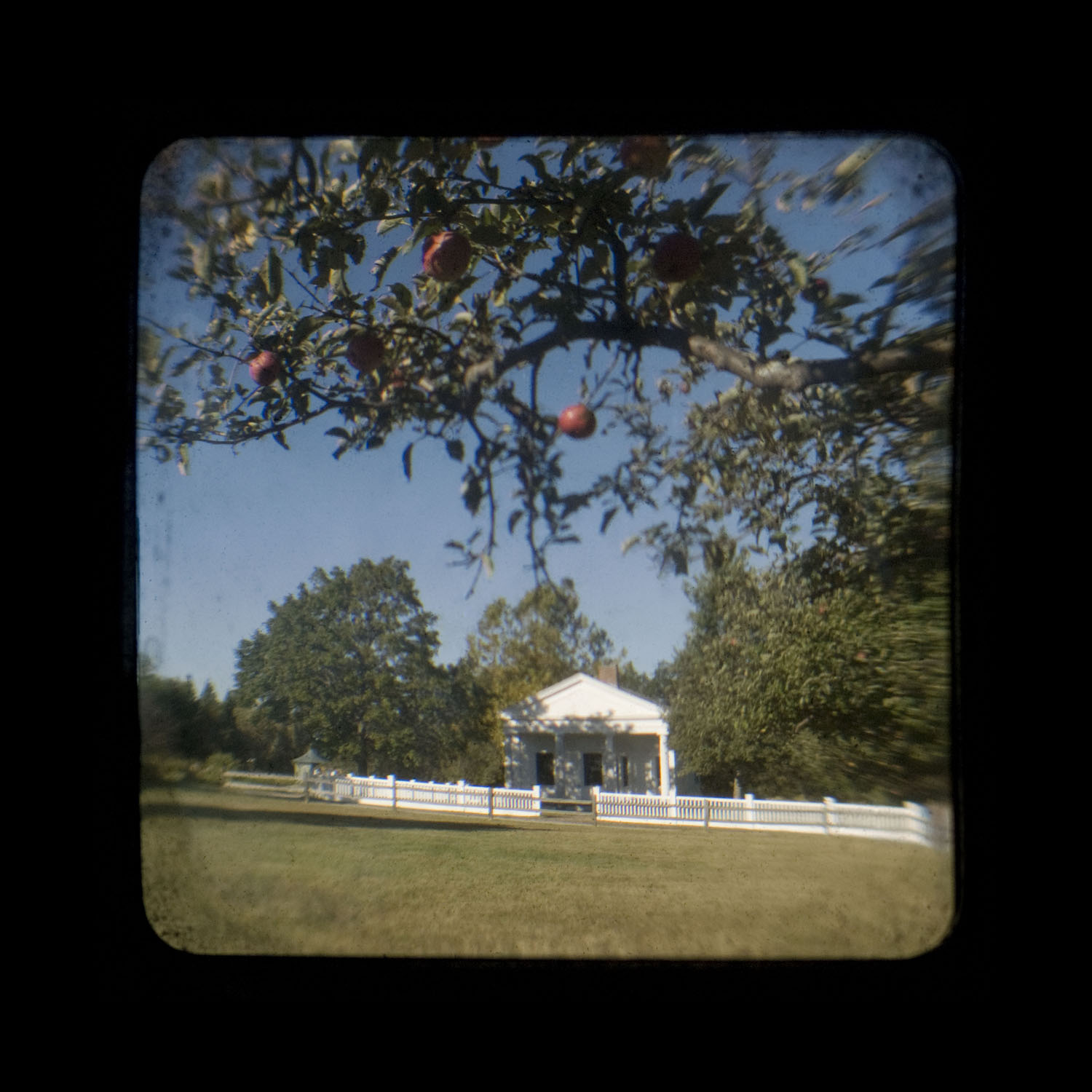
This project explores the merging of the present and the historical while telling a story about photography’s past that is relevant to the medium itself.I wanted to find a way to look back in time, through a window into the past, to visualize temporal distance,” Powell said. “I needed a turn-of-the-century device that could speak to the technological advancements of the industrial revolution. I needed a time machine. Instead, I used cameras.”



Posts on Lenscratch may not be reproduced without the permission of the Lenscratch staff and the photographer.
Recommended
-

Donna Gordon: 2025 Denis Roussel Award WinnerMay 16th, 2026
-

Cozette Russell in Conversation With Douglas BreaultMay 14th, 2026
-

Photography Educator: Savannah DoddApril 25th, 2026
-

EARTH WEEK: Meghann Riepenhoff: State ShiftApril 20th, 2026
-

Valentina Murabito: La Donna del MareApril 15th, 2026